Hantavirus & Travelers:
What You Actually Need to Know
Three people dead. A cruise ship quarantined. Headlines that feel like 2020 all over again. Here’s what infectious disease experts say — and why you shouldn’t panic.
When news broke that a cruise ship in the South Atlantic was locked down with a mysterious virus that had already killed three passengers, the word “hantavirus” started trending. For travelers — especially those of us over 50 — the question is simple: should we be worried? We dug into the expert guidance so you don’t have to.
What Happened?
In early May 2026, eight passengers aboard the MV Hondius — a Dutch expedition vessel operated by Oceanwide Expeditions — were diagnosed with hantavirus. The ship had departed Ushuaia, Argentina on April 1st, traveled to Antarctica, and then headed toward Africa. Five cases have been confirmed as the Andes strain, a variety found only in South America. Three passengers have died.
The ship was denied docking in Cape Verde and is now making its way to the Canary Islands, where Spanish health officials are coordinating a safe disembarkation with the WHO.
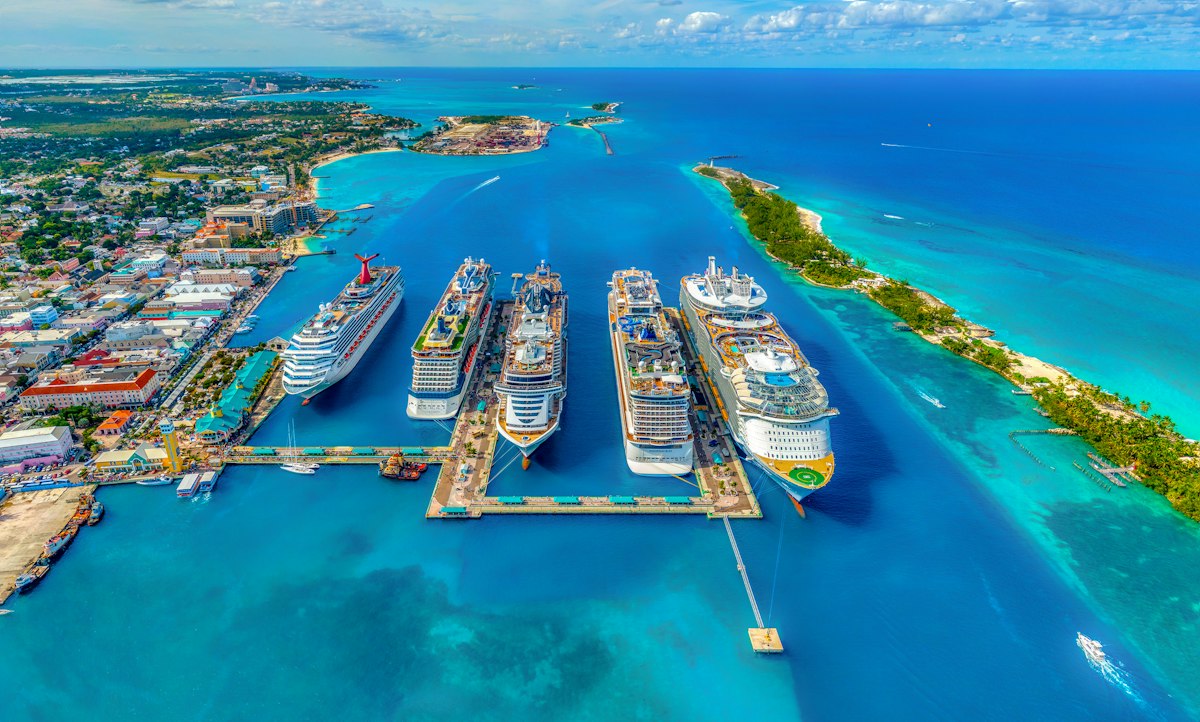
Expedition ships like the MV Hondius travel to remote regions — sometimes months from major medical facilities. Photo: Unsplash
What Is Hantavirus?
According to the World Health Organization, hantaviruses are a family of viruses carried primarily by rodents. Humans typically become infected by breathing in particles from infected rodent droppings, urine, or saliva — not through person-to-person contact in most cases.
In North America, the Sin Nombre strain causes Hantavirus Pulmonary Syndrome (HPS). In South America, the Andes strain causes Hantavirus Cardiopulmonary Syndrome (HCPS). Both are serious respiratory illnesses. The key difference: the Andes strain is the only known hantavirus variant with documented human-to-human transmission — and even then, it requires very close, sustained contact.
“This is not COVID. This is not influenza.”
— Dr. Maria Van Kerkhove, WHO Epidemic & Pandemic PreparednessHow Did It Get on the Ship?
Investigators believe the first couple to fall ill had spent several weeks on a bird-watching tour in Argentina before boarding. They may have encountered infected rodent droppings or debris in the field. A secondary possibility — that a rodent stowed away on the ship and spread particles through the ventilation system — has largely been ruled out, as Oceanwide Expeditions confirmed no rodents were found on board.

Argentina’s Patagonian region — where the initial exposure likely occurred — is a stunning but remote destination with wildlife risk factors. Photo: Unsplash
Is It Spreading Beyond the Ship?
As of early May, the spread remains very limited. One passenger who disembarked before the outbreak was identified is hospitalized in Zurich. A KLM flight attendant who was on a flight with a sick passenger is being tested. Health agencies in at least 12 countries — including the U.S., with passengers who traveled through California, Arizona, and Georgia — are actively monitoring those who were aboard.
“I think this is going to be a well-confined circumstance to the cruise ship’s passengers, and there may be a little spread beyond that. But I don’t think it will be another pandemic.”
Dr. William Schaffner — Vanderbilt University, Infectious Disease“I think it’s going to burn out quickly. People shouldn’t panic if there are sporadic cases in the coming weeks.”
Dr. David Freedman — University of Alabama at Birmingham, Infectious DiseaseWhat This Means for Travelers — Especially Those 50+
Hantavirus is not a disease you catch from another traveler at an airport or on a plane. You catch it from rodents — specifically from their droppings, urine, or nesting materials. That means your everyday risk as a traveler is extremely low. The danger zone is outdoor and wilderness adventure travel, particularly in rural South America.
🛡️ Practical Steps for Smart Travelers
- If hiking or camping in South America (especially Argentina, Chile, Paraguay), avoid touching or disturbing rodent nests or burrows.
- Don’t sleep directly on the ground in rodent-prone areas — use a tent with a floor.
- Store food in sealed, rodent-proof containers when camping.
- If cleaning a cabin, barn, or shelter that may have rodent droppings, wet them with disinfectant before sweeping — never dry-sweep.
- Wash hands thoroughly after outdoor activities in rural areas.
- If you develop fever, muscle aches, or shortness of breath within 6 weeks of potential exposure, tell your doctor about your travel history immediately.
- Travel insurance that includes medical evacuation is especially valuable for remote expedition travel.
Should You Cancel Your Travel Plans?
The short answer: almost certainly not. The WHO has assessed the risk of wider outbreak as low, and multiple infectious disease experts agree. This is not airborne like COVID-19. It doesn’t spread easily from person to person. Cases are geographically concentrated on one vessel and linked to a specific source.
That said, if you have an expedition or adventure trip to rural South America planned — particularly involving camping or wildlife watching — it’s worth a conversation with your doctor and a visit to a travel medicine clinic before you go. For those of us over 50, staying informed and taking sensible precautions is always the right move, without letting fear dictate our adventures.

A pre-trip visit to a travel medicine clinic is one of the best investments adventure travelers can make. Photo: Unsplash
The Bottom Line
Hantavirus is real, rare, and serious — but it is not a new pandemic in the making. The current outbreak is being actively managed by international health authorities, is confined to a small group of people, and experts are confident it will not spread widely. Keep living your life. Keep planning your trips. Stay informed, take sensible precautions, and travel smart.
“As more information comes in, we may update what we say — but this is an evolving circumstance, not a cause for widespread alarm.”
— Dr. William Schaffner, Vanderbilt University